
Today’s industries must control air pollution, especially in light of increasing environmental regulations and the need for cleaner industrial methods.
The scrubber system is among the best choices for reducing industrial emissions.
Many businesses utilize scrubbers to clear exhaust streams of pollutants such as dust, fumes, vapors, and gases.
Scrubbers are divided into wet and dry scrubbers based on their design and mode of operation.
Selecting the best option for your business requires an understanding of the difference between the two.
What is a Wet Scrubber?
A wet scrubber collects pollutants from industrial exhaust gases using liquid, usually water or chemical solutions.
When the liquid and gas stream come into contact, the liquid absorbs or combines with the harmful gases and particles, resulting in cleaner emissions.
Wet Scrubber Benefits:
– Highly effective at removing gaseous pollutants, vapors, and particulates.
– Able to handle hot, sticky, or harmful gas streams.
– Able to purify exhaust gases while cooling them down.
– Widely utilized in power plants, steel mills, and chemical plants.
What is a Dry Scrubber?
Water or liquid solutions are not used by a dry scrubber. Instead, it neutralizes or absorbs contaminants from the gas stream using a dry sorbent material (such as lime, sodium bicarbonate, or activated carbon).
Dry Scrubber Benefits:
– Best suited for acid gases and chemical pollutants.
– No wastewater is generated, making disposal and maintenance easier.
– Requires less space and lower operating costs compared to wet scrubbers.
– Commonly applied in cement plants, industrial boilers, and waste incinerators.
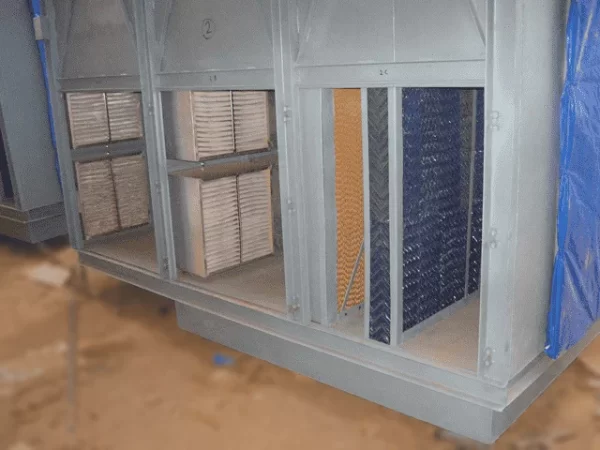
Key Differences Between Wet and Dry Scrubbers
Comparison Table: Wet Scrubber vs Dry Scrubber in Air Pollution Control
| Feature | Wet Scrubber | Dry Scrubber |
| Operating Medium | Uses water/chemical solution | Uses dry sorbent powder/material |
| Best For | Particulate matter, vapors, corrosive gases | Acid gases, targeted chemical pollutants |
| Waste Generated | Produces wastewater requiring treatment | Produces solid residue (easier to handle) |
| Applications | Steel mills, chemical plants, power plants | Cement plants, incinerators, and boilers |
| Maintenance | Requires handling of sludge/wastewater | Lower maintenance, no water usage |
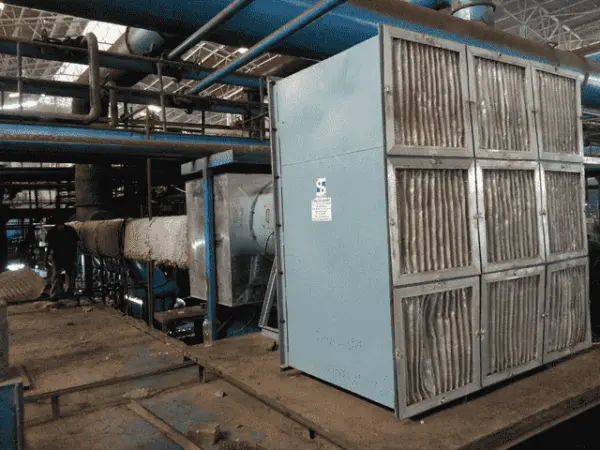
Which Scrubber Is Best for You?
The choice between a wet and dry scrubber depends on:
Type of Pollutant – Dust, acid gases, or combined emissions.
Application in industry – While cement plants utilize dry scrubbers, power plants often prefer wet scrubbers.
Waste management needs – Dry scrubbers might be a better option if treating wastewater is difficult.
Space availability and budget – In general, dry scrubbers are more affordable and smaller.
For industries dealing with multi-pollutant emissions, wet scrubbers are often the better choice.
However, for businesses seeking low-maintenance air pollution control systems, dry scrubbers provide a reliable solution.
Both wet scrubbers and dry scrubbers play a vital role in reducing industrial emissions and maintaining air quality.
Choosing the right system ensures not only regulatory compliance but also safer and more efficient operations.
Blowerfab, a reputable Indian manufacturer of air pollution control equipment, offers customized wet and dry scrubber solutions tailored to specific industrial requirements.
Blowerfab guarantees cleaner and greener operations for industries by emphasizing efficiency, durability, and compliance.