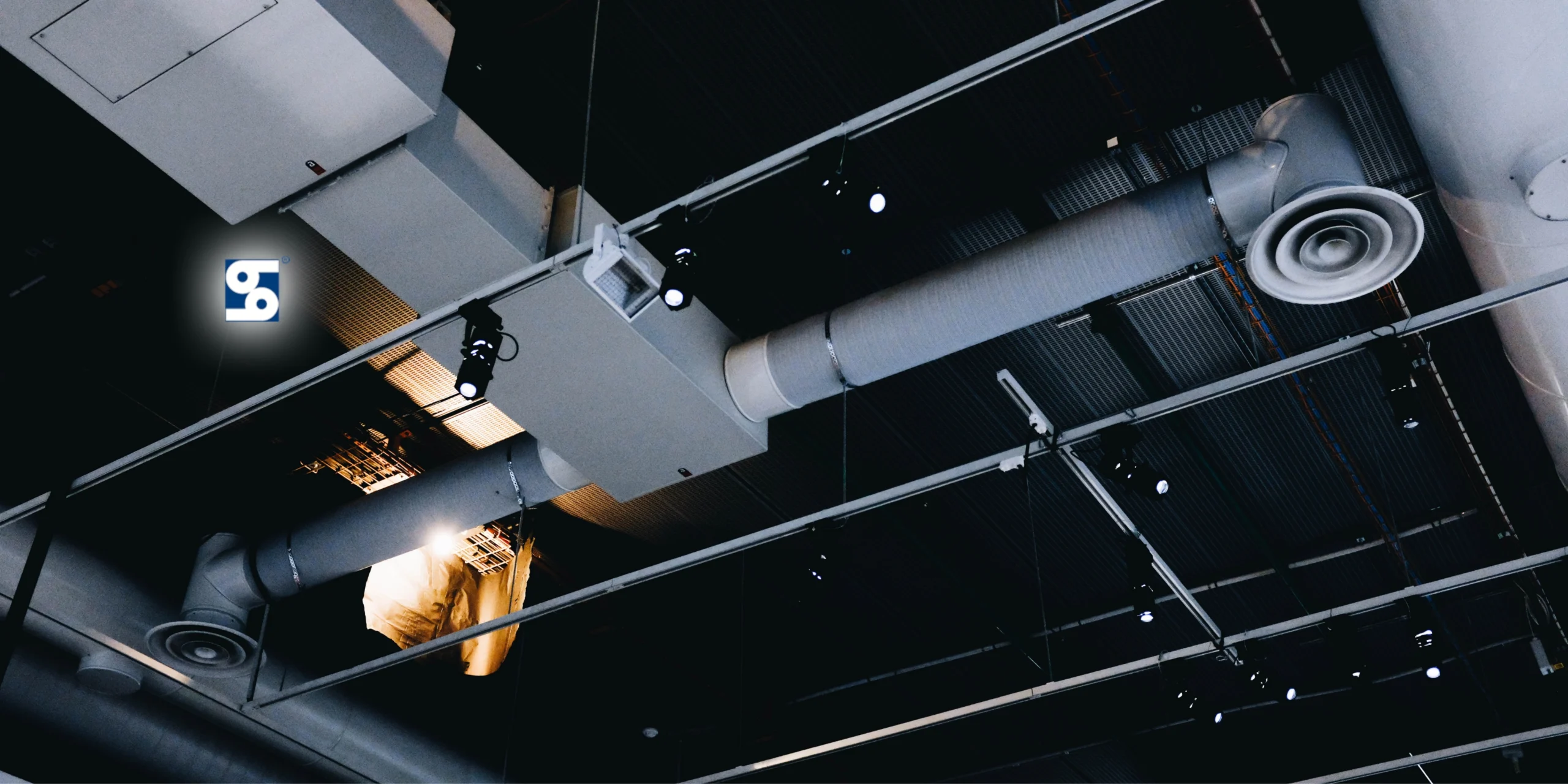
In many factories today, poor air handling efficiency is a hidden but costly problem. Inconsistent airflow, rising energy expenses, overheating equipment, and an increase in maintenance concerns all have a direct impact on production quality and worker safety.
When air handling systems are not properly monitored, even small inefficiencies can lead to large disruptions, unexpected breakdowns, and costly downtime.
This is why tracking specific, measurable KPIs is crucial for manufacturers that want to maintain consistent performance and avoid operational losses.
Why Air Handling KPIs Matter
Air handling is crucial for maintaining consistent output, maintaining worker safety, managing temperature, and increasing overall industrial performance.
As industrial processes advance, companies must rely on certain performance measures to monitor and optimise their air handling systems.
Tracking the proper KPIs helps factory owners to reduce downtime, improve system health, and maximise energy savings.
When industrial blowers, centrifugal fans, and axial flow fans run properly, the entire manufacturing line benefits.
Total operating hours
Total operational hours are one of the most important KPIs for air handling efficiency.
Every blower, fan, and ventilation system has a predicted lifespan, and counting operational hours allows plant owners to determine how close their equipment is to scheduled maintenance or failure.
Tracking this KPI improves maintenance planning and prevents unexpected breakdowns.
When you continuously monitor running hours, you can estimate the wear on motors, impellers, belts, and bearings, ensuring that your air handling system works reliably even during peak workloads.
It also helps in identifying equipment that may be running for longer than necessary, allowing for multiple-unit optimisation.
Frequency of Unplanned Stoppage
Unplanned stoppages are highly disruptive to any industrial process. A sudden halt in airflow can have an impact on product quality, process temperature, dust management, and overall production flow.
Monitoring the frequency of these interruptions helps factory owners to identify recurring issues such as mechanical faults, incorrect load handling, clogged filters, electrical failures, or overheating components.
When stoppages occur frequently, it signals deeper inefficiencies in the system.
Tracking this KPI allows you to take corrective action before these interruptions turn into serious operational losses.
Mean Time Between Failures (MTBF)
MTBF is a key indication of equipment reliability.
A high MTBF indicates that your air handling system has been running smoothly for a long period of time, while a low MTBF indicates that there have been recurring problems or inadequate maintenance.
Tracking MTBF helps in identifying components that may be undersized, incorrectly installed, or deteriorating faster than expected.
This KPI provides factory owners with a better understanding of equipment reliability and helps predict when problems may occur.
By enhancing MTBF through regular maintenance and high-quality components, companies may significantly minimise downtime and increase productivity.
Airflow performance
Airflow performance reflects the actual air volume delivered by your blower or fan to what is needed for your operation.
Any drop in airflow can cause temperature imbalances, decreased ventilation, insufficient cooling, poor dust management, and a decrease in product quality.
Monitoring airflow helps in detecting issues such as duct leaks, impeller wear, motor inefficiency, and obstructions.
When airflow falls under the required level, production efficiency is affected.
Tracking this KPI ensures that your system continually provides the appropriate air movement to maintain stable and safe working conditions.
Energy consumption
Energy consumption is a key KPI for cost savings and sustainability.
Air handling equipment, especially industrial blowers and fans, consumes a considerable share of a factory’s energy.
A significant increase in power consumption typically indicates system inefficiencies, such as mechanical friction, misalignment, ageing motors, or inappropriate sizing.
Monitoring this KPI allows companies to discover when equipment is using more energy than necessary and encourages the use of energy-efficient solutions that minimise operating costs without sacrificing performance.
Maximise Efficiency with the Right Air Handling Partner
Tracking these five KPIs gives business owners a significant edge in maintaining reliable, efficient, and cost-effective air handling systems.
When these indications are consistently checked, it becomes easier to avoid downtime, extend equipment life, and maintain optimal working conditions.
Blowerfab is a well-known brand in the market for providing innovative air handling solutions to companies.
Blowerfab, a prominent industrial blower manufacturer in India, produces high-performance centrifugal blowers, axial flow fans, and air pollution control systems that are built for long-term reliability.
If you need long-lasting, high-efficiency equipment, Blowerfab is your go-to source for outstanding air movement technology and complete industrial ventilation solutions.