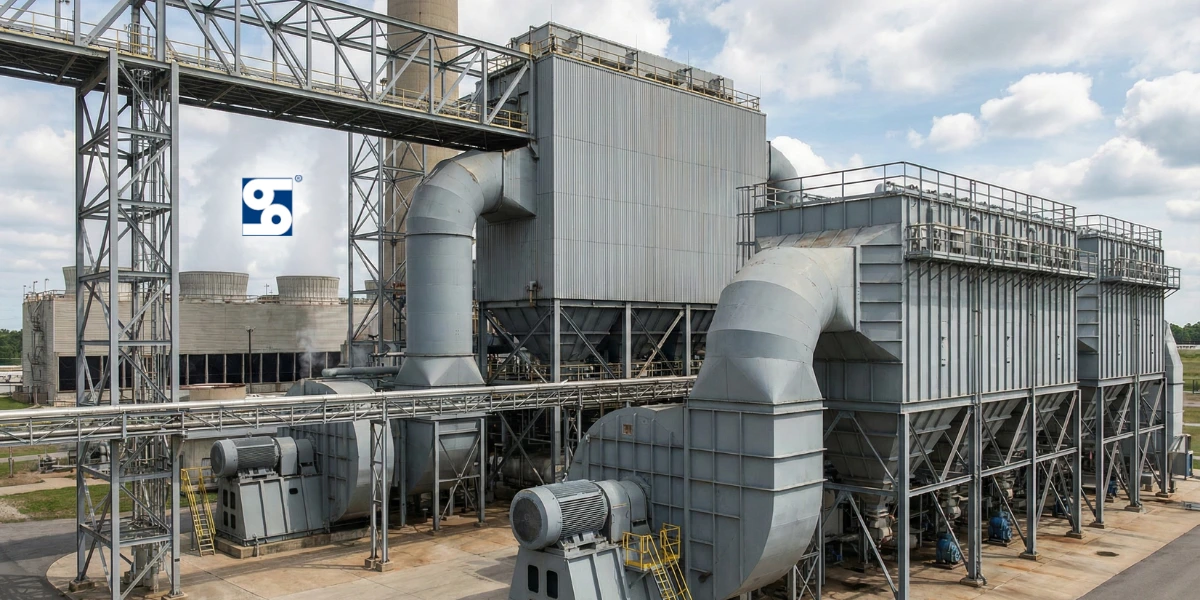
In modern power generation, managing air quality and maintaining combustion efficiency are essential. Behind these processes lies one key component that often goes unnoticed: the Induced Draft (ID) fan.
It plays a silent yet important role in maintaining the flow of flue gases and supporting pollution control systems such as the ESP system in thermal power plants and the Bag filter system in power plants.
These systems work together to keep emissions within environmental limits while ensuring smooth plant operation. Understanding how ID fans support these systems helps us appreciate their importance in cleaner and more efficient energy production.
Understanding the Role of ID Fans
An ID fan operates by creating negative pressure inside the boiler and flue gas path. This pressure difference draws out combustion gases and pushes them through dust collection systems before releasing them into the atmosphere.
Without the steady suction created by the ID fan, the ESP system in a thermal power plant cannot perform effectively.
The fan ensures consistent gas flow, stable temperature, and uniform pressure, which are essential for efficient filtration and particle removal.
The ID fan also helps maintain a controlled combustion environment inside the boiler. It keeps the furnace safe from excessive pressure build-up, supporting both operational efficiency and worker safety.
Supporting the ESP System
The ESP system in a thermal power plant removes fine ash and dust particles from the flue gas using electrostatic attraction. It relies on a stable and balanced flow of gas to work efficiently. Any fluctuation in airflow can reduce the effectiveness of particle collection.
Here, the ID fan acts as the regulating force. It ensures a constant flue gas velocity through the ESP, keeping the electric fields stable. Uniform airflow helps the dust particles settle on the collection plates evenly. The result is cleaner gas discharge and reduced particulate emissions.
The ID fan also manages gas temperature, which directly influences the electrical resistivity of ash particles. Controlled temperature and flow prevent re-entrainment of particles and improve overall ESP efficiency.
Supporting the Bag Filter System
The Bag filter system in a power plant captures dust particles by passing flue gas through fabric filter bags. The dust accumulates on the surface of the bags, while clean air exits through the other side.
The ID fan provides the suction that drives this entire process. It keeps the gas moving through the filter bags at the right speed and pressure. If the airflow drops or becomes uneven, dust can escape or cause clogging, reducing efficiency.
A well-functioning ID fan ensures consistent suction, even during cleaning cycles. When the pulse jets clean the bags, the steady airflow prevents dust from resettling. This leads to better filtration performance and a longer life for the bags.
Efficiency and Environmental Benefits
When ID fans work efficiently, the ESP system in a thermal power plant performs at its best. Clean and steady airflow enables these systems to remove more particulates, ensuring compliance with environmental regulations.
An energy-efficient ID fan also reduces power consumption and operational costs. Advanced fan designs optimise air movement while minimising energy use. As a result, plants lower their emissions and improve sustainability.
Moreover, well-calibrated ID fans prevent excessive wear and tear on equipment, helping maintain reliable operation across all components of the flue gas cleaning system.
Importance of Proper Design and Selection
Selecting the right ID fan for a specific plant setup is essential. Every power plant has different system resistance, gas volume, and temperature conditions. The fan must be designed to handle these variations effectively.
If the fan is undersized or poorly matched, the ESP and Bag Filter system may not get enough airflow to function properly. Conversely, an oversized fan wastes energy and increases system wear.
Manufacturers consider several parameters, such as static pressure, gas composition, and temperature, when designing ID fans.
Material selection also matters since these fans handle high-temperature, corrosive gases. Durable construction ensures longevity and consistent performance.
Maintenance and Reliability
Routine maintenance is key to keeping ID fans operating efficiently. Regular inspection of bearings, impeller balance, and vibration levels helps detect issues early. Timely cleaning of ducts and filters prevents pressure build-up and uneven airflow.
When the ID fan runs smoothly, Predictive maintenance tools such as vibration analysis and thermographic monitoring can further improve reliability and reduce downtime.
Well-maintained fans also enhance safety by preventing backflow of gases or unplanned shutdowns. Consistent performance supports cleaner operations and higher overall plant efficiency.
Integration and System Performance
The collaboration between the ID fan, ESP, and the bag filter system defines the air quality management in power plants. Together, these components form an integrated system that controls emissions, improves combustion, and protects the environment.
When all parts work in harmony, plants achieve steady operation, reduced energy consumption, and long-term reliability. The ID fan acts as the backbone of this network, ensuring that both filtration systems receive the air pressure and flow they need to perform efficiently.
Such integration reflects the growing emphasis on cleaner technology and sustainable energy production.
The Bag Filter System in a thermal power plant relies heavily on the steady performance of ID fans. These fans control airflow, support dust collection, and help maintain compliance with emission standards.
Their role extends beyond air movement — they ensure efficiency, safety, and environmental responsibility across the entire operation.
For industrial facilities seeking durable and efficient air movement solutions, Blowerfab. designs and manufactures advanced ID fans tailored for demanding applications in power generation. Explore reliable solutions that keep your systems running efficiently and your emissions under control.